



Fan Retention: How Football Clubs Keep Their Fans
Reading time:
12 min


Most clubs collect more fan data than they use, while sponsorship is still sold as a logo and an estimated reach. Alexander Becker works in Sponsoring & Sales at Alemannia Aachen (3. Liga) and has researched what actually drives fan engagement. He explains which B2C retail practice clubs could adopt most easily, how first-party data turns sponsorship into measurable relevance for sponsors, and why invisible foundations like Single Sign-On keep losing the internal budget fight. His answers run from the plumbing to the money, and that connection decides most digital fan projects.

Three answers, and a consistent order of operations underneath them: connect the fan data you already have, then prove what it is worth to sponsors. The third covers the layer that keeps the first two working. Alexander works at a 3. Liga club, so his perspective is grounded in the budgets most professional clubs actually operate with.
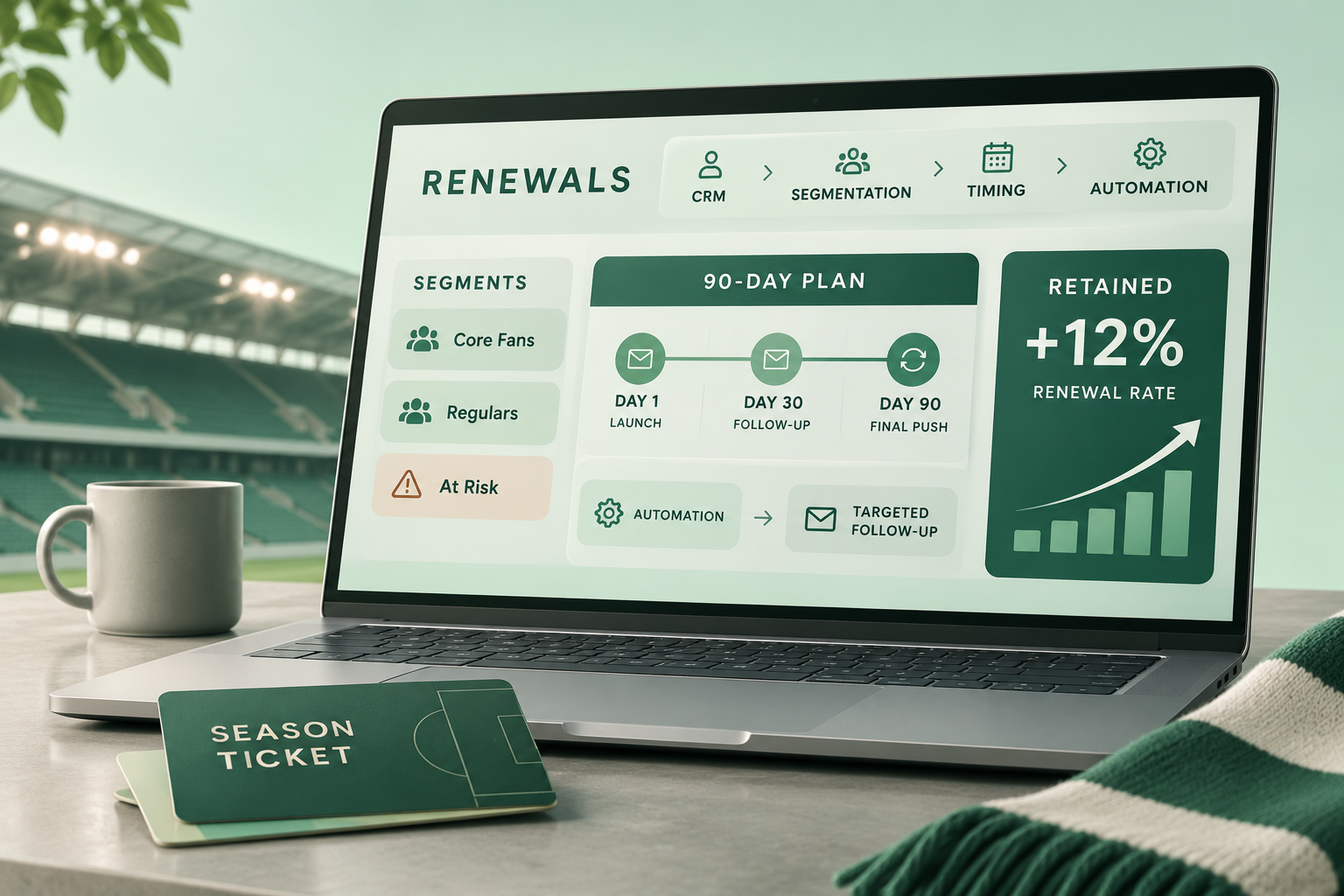
His first answer names a pattern I run into constantly. Most clubs already collect the data a single customer view needs: ticketing knows who attends and how often, the shop knows what supporters buy, and marketing knows who opens the emails. The work is the join, one profile per fan that connects those records into a first-party data foundation.
Alexander argues this is the B2C retail practice clubs could adopt most easily, because the hard part is often already solved. "The information is there, it just isn't connected or used." One caveat worth adding: his club runs ticketing and fan shop on a single system with a shared customer account, which is a genuine head start. Plenty of clubs run those two on separate vendors, so joining what exists can mean integration work first. The direction still holds. Retail spent years and considerable money building this view because the economics forced it, and clubs hold the same customer across the same channels.
The commercial reason this matters: everything downstream depends on the join. Segmentation, personalised offers, marketing automation that reacts to actual behaviour, all of it needs one fan profile to work from. Automation running on fragmented data just sends better-timed noise.
The second answer is where the first one pays off. If a club understands its fans as segments, it can offer a sponsor the right audience instead of everyone: a family brand reaches the families, a finance partner reaches a different group. Once digital journeys are instrumented, activation becomes countable, down to how many fans engaged with a sponsored offer or a challenge inside the app.
Two implications stand out to me. First, measurable activation changes the renewal conversation. A sponsor who has seen engagement numbers once will ask for them every season after, and a club that can produce them negotiates from a stronger position than one selling reach estimates. Second, his research found that playful, reward-based mechanics were the strongest driver of engagement. That is commercially neat: the formats sponsors can power are the same formats fans actually use. That alignment is rare, and worth designing sponsorship inventory around.
One limitation to keep in mind: engagement metrics inherit the quality of the fan data underneath them. If the contactable base is small or consent is shaky, the right audience is a promise the CRM cannot cash yet. That is why I would sequence the single customer view before the sponsorship pitch.
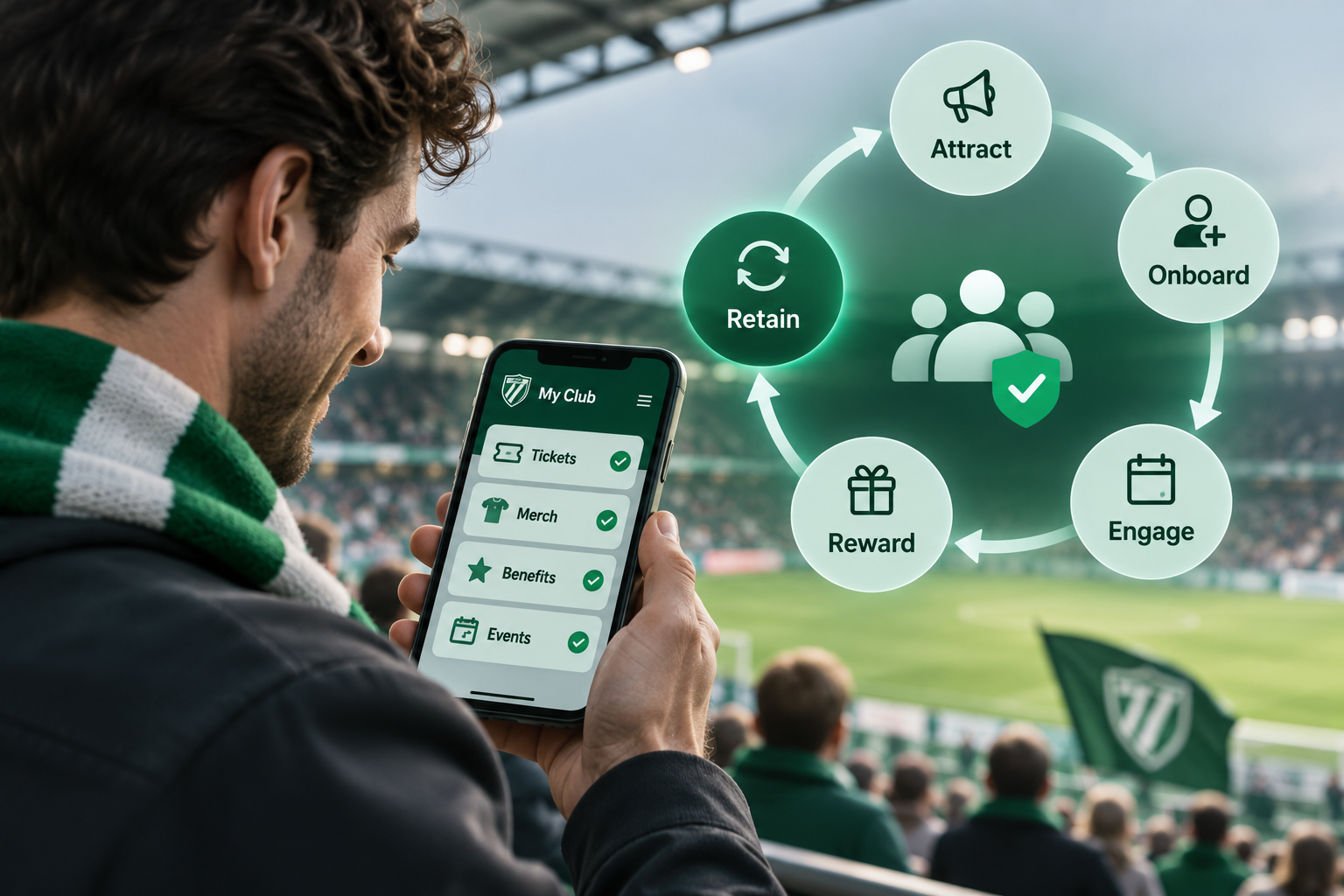
The third answer is the one I would hand to every commercial director. In his study, fans rated Single Sign-On and digital tickets as the most important features. In internal budget meetings, the same items lose against whatever has a wow moment this season. Alexander explains it plainly: "Single Sign-On and digital tickets have no wow moment, so they lose the internal competition for budget and attention against a flashy new feature."
The organisational reason he gives matches what I see. Foundations need ticketing, shop, IT and marketing to pull together, which is harder than launching one visible feature. That makes this a governance question. Someone with authority over the fan-facing roadmap has to decide that the invisible layer gets funded, because it will not win a beauty contest by itself. The fans already did the arguing on that front: they ranked the foundations first. A club that brings that rating into its next planning round walks in with the internal business case for SSO and digital ticketing ready made.
His final line doubles as a project plan: "That is why I would start there."