





The Most Followed Football Clubs on Social Media
Reading time:
7 min
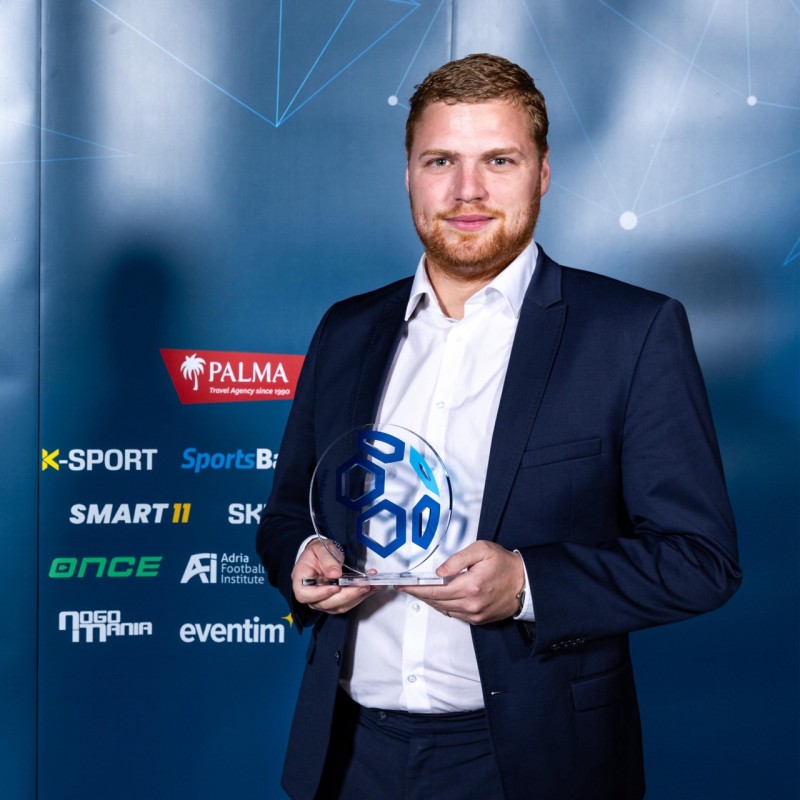
Tomaž Lesjak, Head of Commercial and Creative Marketing at NK Celje, shares the thinking behind the Ultra Card NK Celje, a digital fan identity platform that connects ticketing, CRM, payments, cashback, F&B, sponsors, and business intelligence into one structured system.
In this interview, we explore how the Ultra Card transforms anonymous attendance into actionable insight and how it is evolving into a long term, data driven fan relationship model.

The Ultra Card NK Celje is the central digital fan identity and commercial relationship platform of NK Celje, developed as part of the club’s long term investment in digitalization, data, and structured commercial growth.
From a fan perspective, the Ultra Card NK Celje can live directly in Apple Wallet or Google Wallet, making access and usage simple and frictionless. Fans use it to enter matches, make purchases at club touchpoints, and receive cashback on selected transactions.
From the club’s perspective, Ultra Card NK Celje is a data driven commercial system. It connects fan identity with transactions and behavior, transforming anonymous attendance into structured insight. This creates the foundation for business intelligence driven decision making, measurable commercial performance, and a scalable fan relationship model.
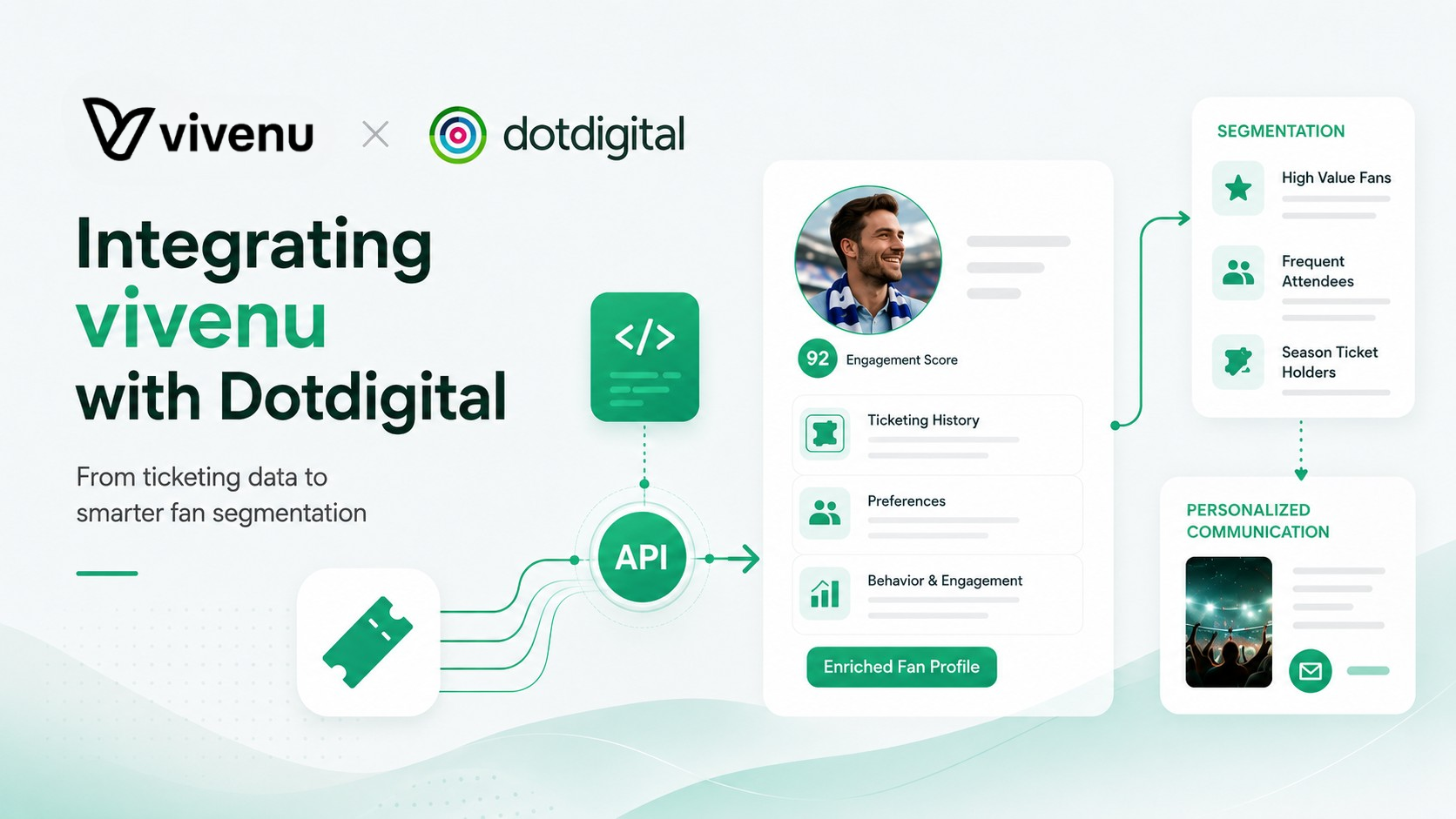
The Ultra Card NK Celje connects ticketing, CRM, prepaid balances, cashback mechanics, food and beverage at the stadium, online and on site sales channels, digital platforms, and transactional data into a single fan profile.
This integration allows the club to understand fan behavior across matchday and non matchday touchpoints, regardless of whether interactions happen online or physically at the venue. All interactions are fed into business intelligence, creating a consolidated BI view.
This unlocks smarter segmentation, more relevant communication, stronger sponsor activation, and better commercial decisions. Instead of managing isolated products or channels, Ultra Card NK Celje enables a structured and data driven approach to managing the entire fan relationship.
Looking ahead, the Ultra Card NK Celje is designed to evolve beyond the stadium into a lifestyle and affiliate driven platform powered by business intelligence.
In this next phase, sponsors play a central role. Through affiliate partnerships, the Ultra Card NK Celje connects fans with sponsor products and services in their everyday lives, while BI ensures relevance, personalization, and measurable value for both the club and its partners.
The long term goal is to build a sustainable and data driven relationship model where fan experience, sponsor value, and commercial growth are aligned, and where the relationship with fans is continuous, personal, and scalable over time.
The Ultra Card story at NK Celje caught my attention for a simple reason: it is one of the rare examples where “digital transformation” actually looks like a coherent operating model.
I spend a lot of time around clubs that have plenty of tools and plenty of data, yet still struggle to answer basic commercial questions. Who are our fans, beyond a ticket barcode? What do they do on matchday besides entering the stadium? Which sponsor activations can we prove worked? Where do we lose people between a first purchase and a second one?
Tomaž describes Ultra Card NK Celje as the club’s central digital fan identity and commercial relationship platform. That phrasing matters. It is not a campaign. It is not a membership gimmick. It is identity tied to behaviour, across touchpoints, in a way the club can actually use.
From the fan side, the experience is intentionally frictionless. The card lives in Apple Wallet or Google Wallet. Fans can use it to enter matches, pay at club touchpoints, and get cashback on selected transactions. That is already a meaningful adoption lever. If the card only worked in one corner of the stadium or required a separate app flow, most clubs would never get it off the ground.
The interesting part starts behind the scenes.
Ultra Card connects ticketing, CRM, prepaid balances, cashback mechanics, food and beverage, online and on site sales channels, digital platforms, and transactional data into a single fan profile. In plain terms, it joins up what is usually scattered across five vendors and three spreadsheets. Every interaction then feeds into business intelligence, giving the club a consolidated BI view.
That is where the value compounds.
Once you can see behaviour across matchday and non matchday touchpoints, segmentation stops being guesswork. You can build segments based on actual patterns: frequent visitors who never buy F&B, fans who buy early and always top up prepaid, supporters who show up twice a season but spend heavily when they do. Those are segments a commercial team can act on without pretending that age or postal code explains intent.
It also changes what “relevance” means in fan communication. CRM and marketing automation often fail in football because the data foundation is thin. You end up with broad blasts because you cannot trust the profile. If a wallet based fan identity links transactions and behaviour reliably, personalisation becomes much more than subject lines. It can shape offers, timing, and channel choices in a way fans actually notice.
Sponsor activation is the other piece that stands out. Tomaž points to an affiliate driven future where sponsors play a central role and where BI ensures relevance and measurable value. That is an important detail. Sponsors do not just want reach; they want attributable outcomes. A system that connects fan identity to spending and engagement gives clubs a stronger language for partners: who the audience is, what they do, and what changed after an activation.
The vision goes beyond the stadium. Ultra Card is designed to evolve into a lifestyle layer that shows up in fans’ everyday lives through affiliate partnerships. If NK Celje executes that well, the club gains something many teams chase but rarely build: a continuous relationship model that does not reset every matchday.
This fits perfectly with how I think about CRM in football. Fans do not experience clubs in “channels.” They experience them as part of their routine, their identity, their weekends, their family life. Systems should reflect that reality. A unified fan identity connected to BI is one of the most direct ways to make that happen.
My takeaway from this interview is practical. When clubs talk about becoming more data driven, I always ask where fan identity is anchored. If the answer is “mostly in ticketing” or “mostly in the app,” the ceiling is low. NK Celje is building around the identity layer first, then connecting every commercial touchpoint to it. That sequence is worth studying.
If you work in sports CRM, marketing automation, fan data platforms, loyalty, sponsorship, or business intelligence, the Ultra Card approach is a strong reference point. It shows what becomes possible when a club stops optimising individual products and starts managing the fan relationship as a system.